Practical
Taking a bike on the train: the rules, country by country
I rode with a touring bike through nine countries last summer. Where you can roll straight on, where you need a reservation, and which carriage to stand by.

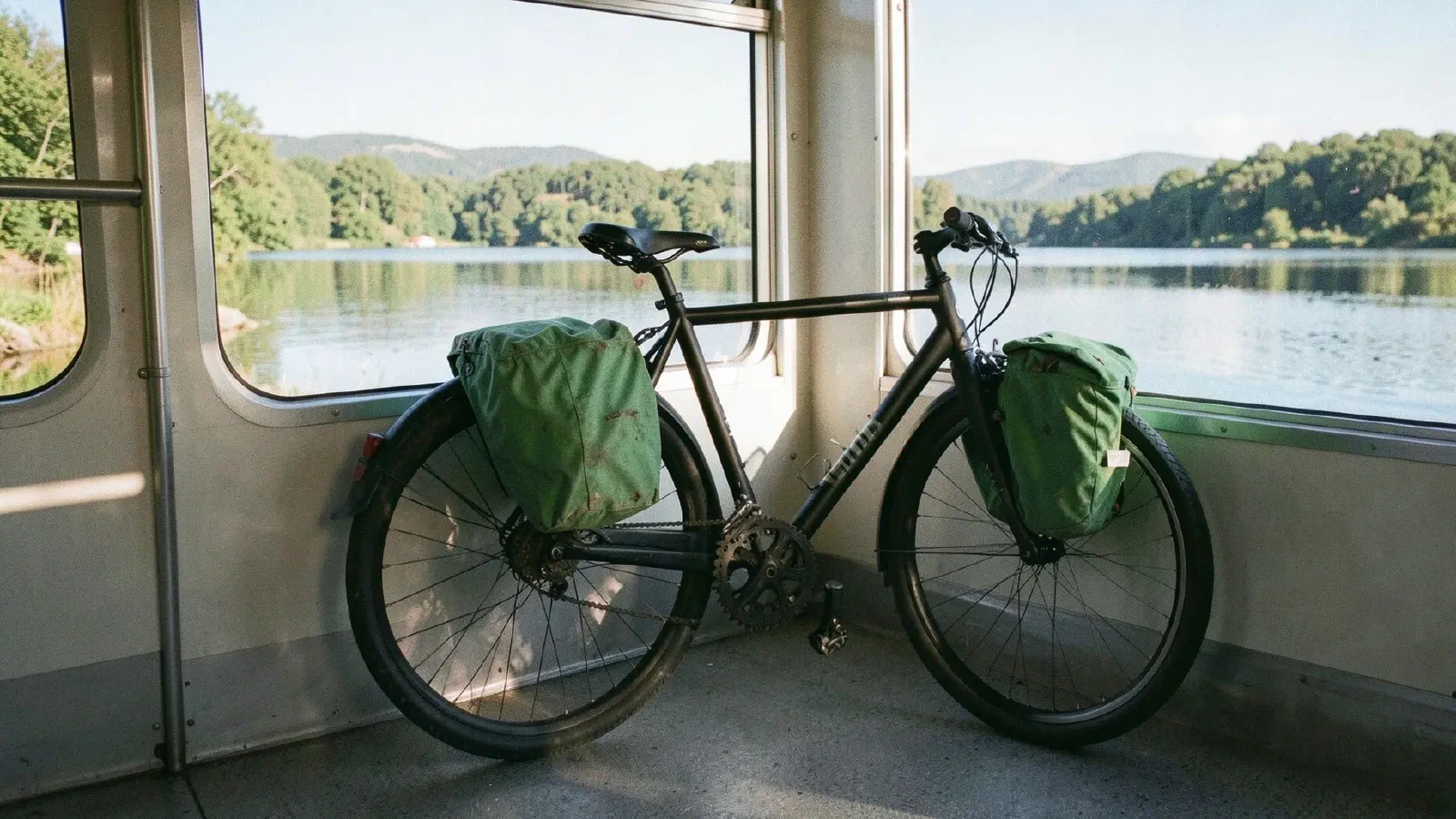
A bike makes a rail trip twice as useful: you get off at the small station and ride the last twenty kilometres. It also makes booking three times as hard. Here is what I learned crossing nine countries with a loaded touring bike.
Regional trains: mostly easy#
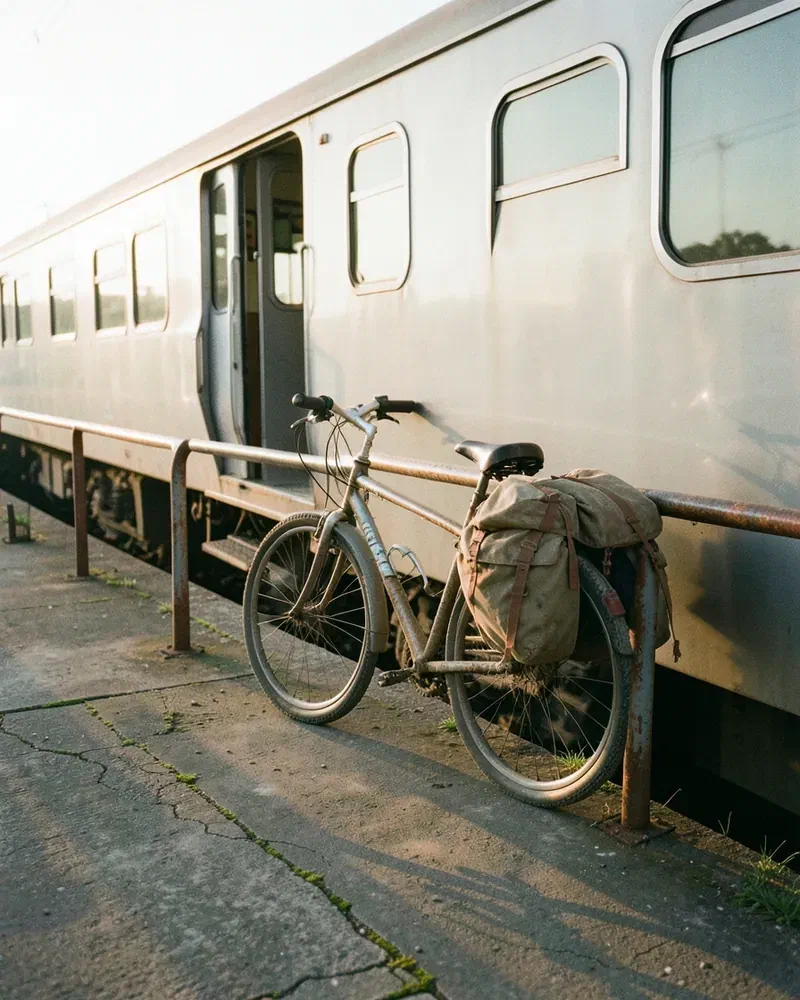
In the Netherlands, Germany, Austria, Switzerland and Italy, regional trains take bikes with a bike ticket and no reservation. The ticket costs €6 a day in Germany, €7.50 a day in the Netherlands (not in rush hour) and €3.50 a journey in Italy. Look for the bike symbol on the door and stand by it on the platform.
Long-distance trains: book a space#
ICE, Railjet and Frecciarossa trains have a few bike spaces each, and you must reserve one. They sell out on summer weekends weeks ahead. If a space is gone, a regional train an hour slower will still take you.
Night trains#
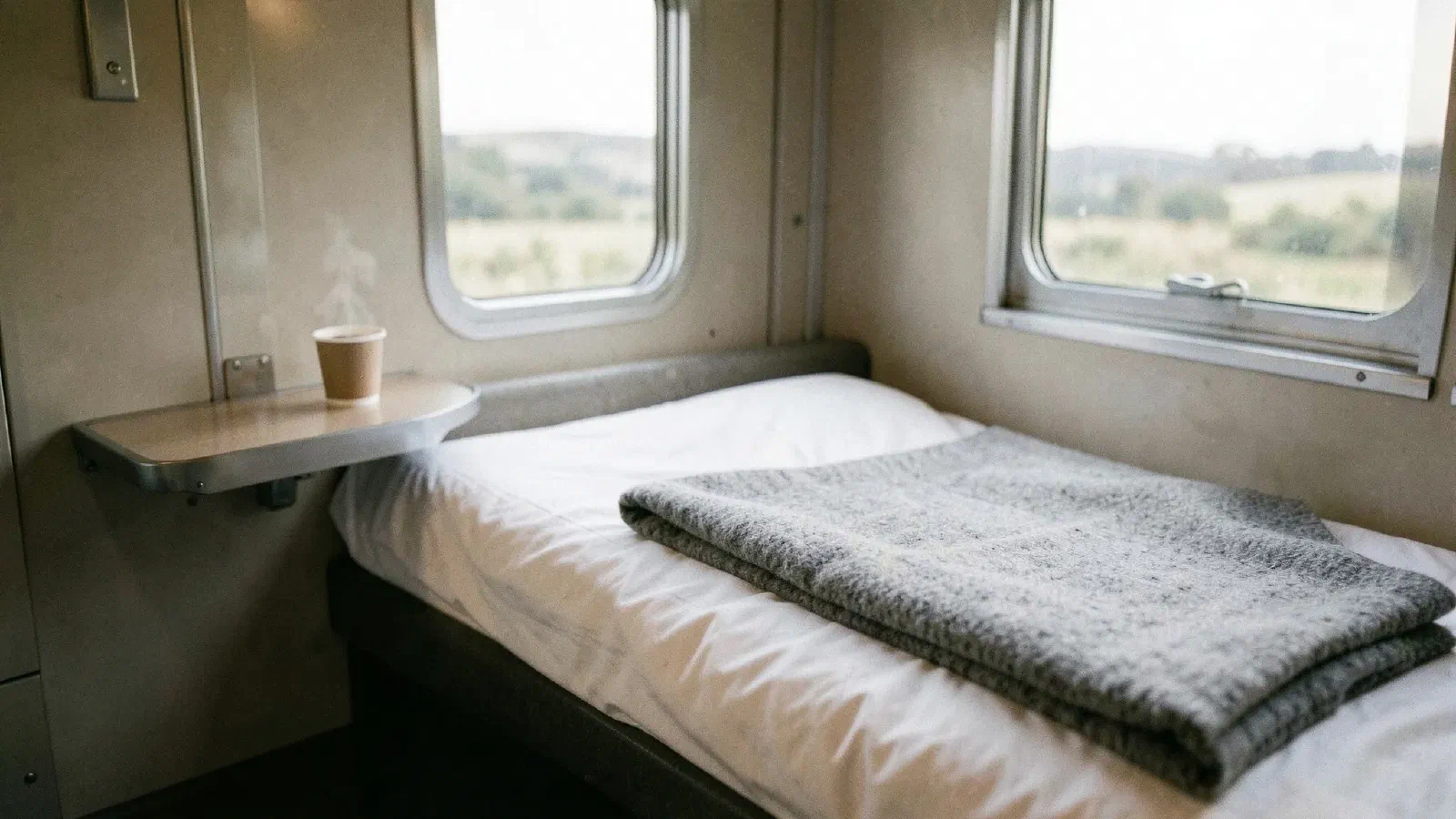
Nightjet carries bikes on most routes for €15, in a separate van, with a reservation. You hand the bike over at the platform and get it back in the morning, which feels strange the first time and is fine.
The awkward ones#
- France: TGV trains only take a bike in a bag, wheels off. Regional TER trains take them whole and free, but only a few per train.
- Spain: long-distance trains take a bike in a bag; regional trains vary by region.
- The UK: free on most trains, reservations on the long-distance ones, and some operators take only two bikes per train.
What I would do again#
Carry a light bike bag (mine weighs 400 g) so that a TGV is never a dead end, and book the night train bike space before anything else.